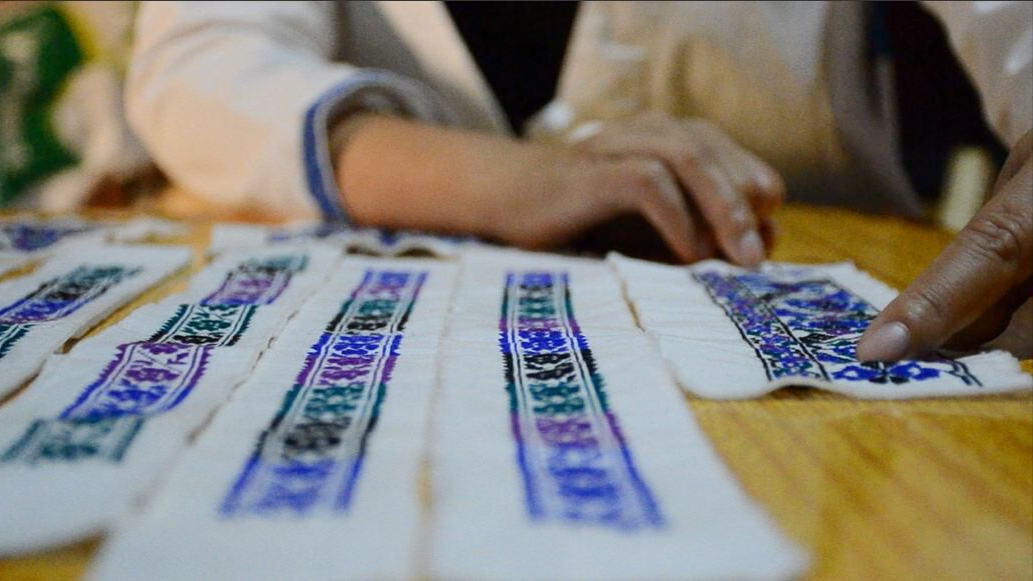
Dong Embroidery
Introduction
Dong embroidery is a traditional craft deeply rooted in the culture of the Dong ethnic group, primarily residing in Southwest China's Guizhou province and neighboring regions. This intricate art form embodies the Dong people's rich cultural heritage, blending textile, printing, dyeing, paper-cutting, and embroidery techniques. It serves as a medium for storytelling, preserving history, legends, and ancestral wisdom through vibrant patterns and motifs. Recognized for its cultural significance, Dong embroidery was listed in the third batch of China's national intangible cultural heritage in 2011.
Cultural Significance and Origins
The Dong ethnic group has no written language. As a result, their history, myths, and legends have been intricately woven into fabrics and embroidered designs. These handmade creations include curtains, sheets, straps, ethnic costumes, and more, showcasing motifs such as flowers, insects, fish, stars, and mythical creatures. Each pattern reflects the wisdom and creativity of their ancestors, making Dong embroidery not just an art form but a repository of cultural memory.
Spider motifs hold particular importance in Dong embroidery due to their central role in the Dong people's religious beliefs. Spider flowers, symbolizing blessings, frequently appear in embroidery patterns. Additionally, phoenixes, dragons, and other traditional motifs are commonly featured, representing prosperity, strength, and beauty.
Techniques and Craftsmanship
Dong embroidery is renowned for its vibrant colors, simplicity, and intricate designs. The craft incorporates various techniques, including spinning, dyeing, weaving, paper-cutting, and embroidery. Skilled artisans use flat, crossed, and knotted stitches to create unique and personalized pieces. The process demands precision and patience, as each stitch contributes to the overall design's complexity and beauty.
Master artisans like Qin Naishiqing, an expert from Sanjiang Dong autonomous county in Guangxi Zhuang autonomous region, exemplify the dedication required to excel in this craft. Qin emphasizes the importance of paper-cutting in Dong embroidery, describing it as the "soul" of the art. She teaches young girls to visualize patterns without drawing them, ensuring the continuation of this skill across generations.
Role in Dong Society
Dong embroidery plays a vital role in the lives of Dong women. Girls are encouraged to learn the craft from an early age, typically around 9 or 10 years old. When a Dong woman marries, her mother traditionally gifts her a set of handmade clothes, including a wedding dress, showcasing the family's skill and devotion to the craft. This tradition underscores the cultural and familial importance of embroidery within the Dong community.
Despite its cultural significance, Dong embroidery faces challenges in adapting to modern markets. The intricate techniques and labor-intensive process result in high prices, limiting its appeal to younger generations. However, efforts to innovate and market Dong embroidery, such as establishing online stores and collaborating with fashion brands, aim to make this art form more accessible and relevant.
Preservation and Innovation
Efforts to preserve and revitalize Dong embroidery have gained momentum in recent years. Local artisans and cultural advocates have established workshops and studios to teach embroidery techniques and promote the craft. For instance, Lu Yongjiang, a provincial-level representative inheritor of Dong costumes, founded the Yanting Embroidery Art and Culture Studio in Liping county, Guizhou province. The studio trains young enthusiasts and explores innovative ways to integrate Dong embroidery into modern fashion and accessories.
Entrepreneurs like Ou Ruifan have also played a pivotal role in preserving Dong brocade, a related craft. Ou's company blends heritage preservation with market-oriented development, producing and marketing Dong brocade products. By organizing training workshops, conducting research, and collaborating with educational institutions, Ou has expanded the craft's reach and created job opportunities for rural women.
Challenges and Market Expansion
Dong embroidery faces challenges in competing with machine-made alternatives and attracting younger audiences. The high cost of handmade pieces and limited market exposure have hindered its growth. However, initiatives to modernize the craft and expand its market appeal show promise. Collaborations with fashion brands, the establishment of online stores, and the creation of affordable, practical products aim to bridge the gap between tradition and contemporary consumer preferences.
Efforts to integrate Dong embroidery into cultural tourism and rural revitalization further highlight its potential as a sustainable industry. Exhibitions, fashion shows, and hands-on experiences allow visitors to appreciate the craft's beauty and cultural significance. These initiatives not only preserve the art form but also contribute to the economic development of Dong communities.








